
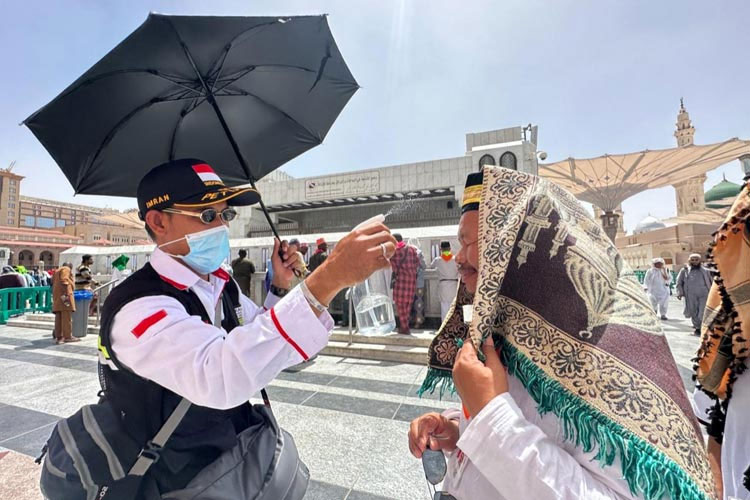
The Impact of Extreme Heat on Health during Hajj Pilgrimage in Makkah
The Hajj pilgrimage, a sacred journey for Muslims worldwide, brings millions of people together in Makkah, Saudi Arabia. While the spiritual significance of this event is ...
MADINAH – The Hajj pilgrimage, a sacred journey for Muslims worldwide, brings millions of people together in Makkah, Saudi Arabia. While the spiritual significance of this event is paramount, it is important to address the health risks associated with extreme heat during Hajj. The combination of high temperatures and a large number of people can lead to various health issues. This article aims to explore the connection between extreme heat and the increased incidence of illness during the Hajj pilgrimage.
The pilgrims usually comes during the summer time, where Makkah experiences scorching temperatures that regularly exceed 40 degrees Celsius. Pilgrims are exposed to the harsh sunrise while performing physically demanding rituals, such as walking long distances and standing for extended periods. These conditions increase the risk of heat-related health concerns, including dehydration, heat exhaustion, and heatstroke.
The intense heat, coupled with physical exertion and limited access to shade and water, can quickly lead to dehydration among pilgrims. Symptoms range from mild thirst and fatigue to more severe consequences such as dizziness, fainting, and even organ failure if left untreated. Meanwhile, heat exhaustion occurs when the body is overwhelmed by excessive heat. Pilgrims may experience profuse sweating, weakness, nausea, and headaches. If not addressed promptly, heat exhaustion may progress to heatstroke.
In another situation, heatstroke is a life-threatening condition where the body's core temperature rises significantly, leading to organ dysfunction. Signs of heatstroke include a complete cessation of sweating, disorientation, seizures, and loss of consciousness. Immediate medical attention is crucial to avoid potentially fatal outcomes.

Preventive Measures to Address Health Concerns
Recognizing the severity of heat-related health issues, Saudi authorities have implemented several measures to mitigate the impact during Hajj. As what Achmad Fauzin, the PR of Cental PPIH said. "Extensive awareness campaigns are conducted to educate pilgrims about the importance of staying hydrated, wearing appropriate clothing, and seeking shade when necessary," he said.
The guya also said that the number of medical facilities within the holy sites and along the pilgrimage routes has been reinforced to ensure prompt medical assistance for pilgrims in need. Water stations are strategically placed throughout the pilgrimage sites to provide ample access to clean drinking water and encourage pilgrims to stay hydrated.
In addition, cooling systems such as mist sprayers and air-conditioned tents have been set up to provide relief from the intense heat, especially during peak times. These was to ensure the pilgrims had a good experience during these time of exytreme heat in Saudi Arabia.
Although the Hajj pilgrimage is a profound spiritual experience, it is crucial to address the health risks posed by extreme heat. The combination of extreme temperatures and crowded conditions can lead to various heat-related illnesses. By implementing preventive measures and raising awareness among pilgrims, the authorities aim to ensure the well-being of all participants during this significant religious journey.(*)
Simak breaking news dan berita pilihan TIMES Indonesia langsung dari WhatsApp-mu! Klik 👉 Channel TIMES Indonesia. Pastikan WhatsApp kamu sudah terpasang.
Berita ini juga tayang di portal nasional
Baca versi lengkapnya di jaringan nasional kami.
