
From Dawet to Grilled Fish: The Charm of Pasar Takjil Ramadhan Indonesia
Experience the vibrant atmosphere of Indonesia’s Pasar Takjil Ramadhan, where traditional delicacies, sweet dawet, kolak, and grilled specialties bring families together every evening.
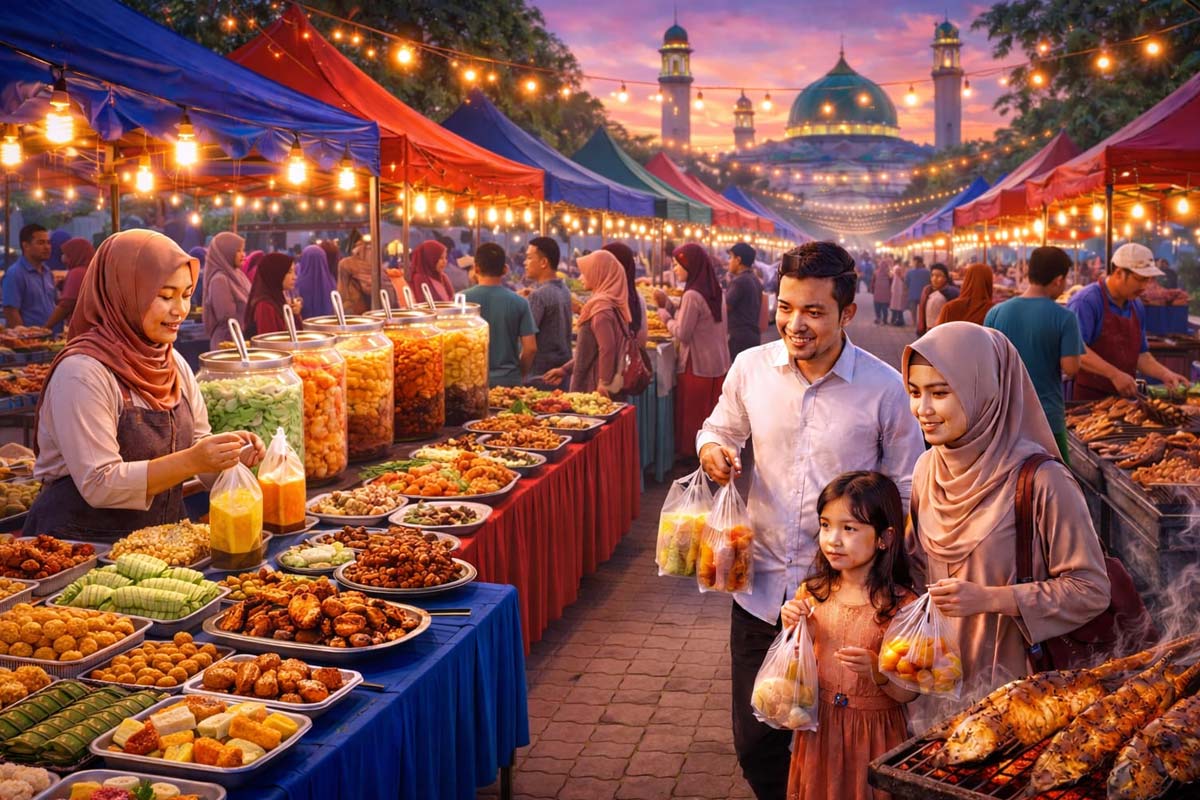
JAKARTA – Every year, as the holy month of Ramadhan arrives, streets across Indonesia transform into lively culinary hubs known as pasar takjil. These temporary markets appear in neighborhoods, near mosques, school yards, and along busy roads, offering a dazzling array of sweet and savory treats for people preparing to break their fast at sunset.
The word takjil refers to light snacks or drinks consumed to break the fast before performing the Maghrib prayer and continuing with a larger meal. In Indonesia, however, the term has evolved to represent the diverse delicacies sold during Ramadhan afternoons. From big cities to small villages, pasar takjil has become an inseparable part of the fasting experience.
In cities like Jakarta, Yogyakarta, and Malang, rows of colorful tents line the streets starting around 3 or 4 p.m. Vendors enthusiastically prepare their best offerings while customers stroll around, choosing dishes for their families. The atmosphere is vibrant yet warm, filled with laughter, bargaining, and the irresistible aroma of freshly cooked food.
Among the most popular items are kolak (banana and sweet potato stewed in coconut milk and palm sugar), es buah (mixed fruit iced dessert), gorengan (fried snacks), dadar gulung (green pancake rolls filled with coconut), and various traditional cakes.
Savory options such as chicken satay, martabak, rice bowls, and spicy noodles are also widely available. Each region adds its own unique twist to the selection, reflecting Indonesia’s rich culinary diversity.
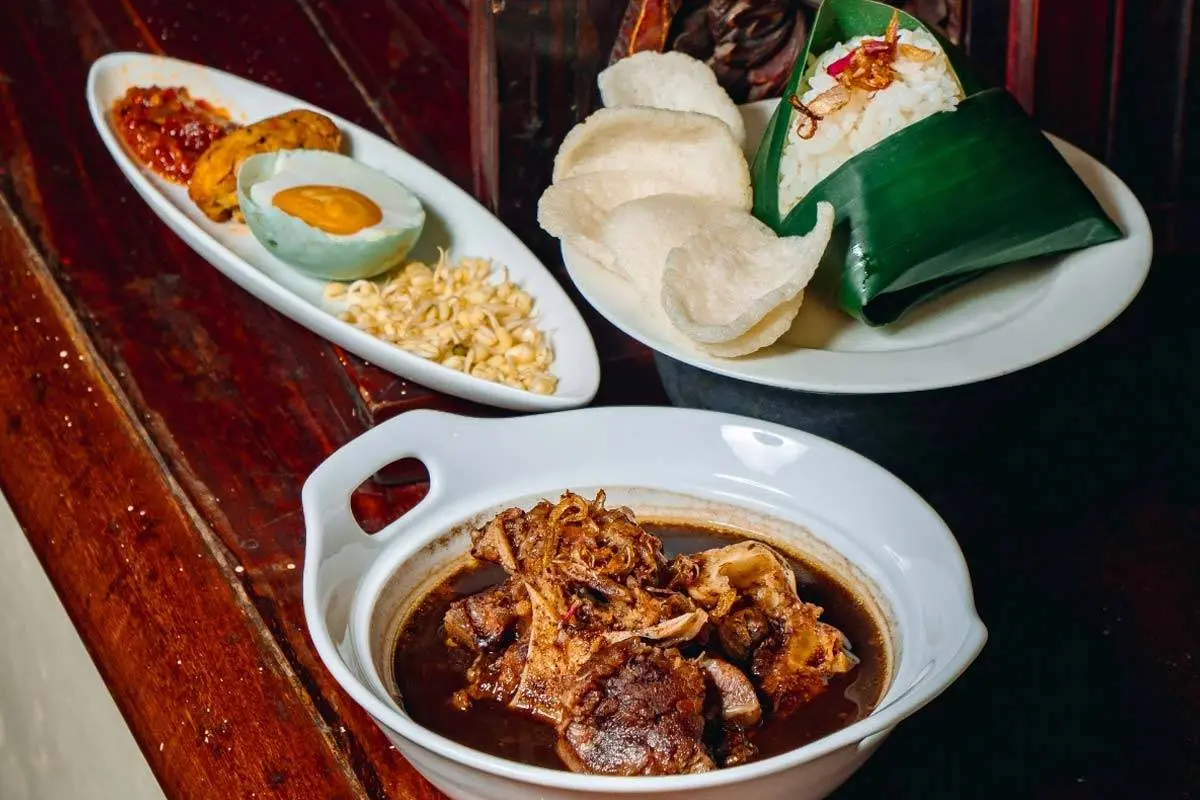
"This has become one awaited moment to go in the early evening just to go grab some food we like every Ramadan. My favorite was the grilled fish stall, their grilled gurami is the best," Yanti, a local community of Malang said while enjoying her moments at Pasar Takjil Sawojajar, (21/2/2026).
In many ways, pasar takjil resembles a farmers’ market or a holiday market found in other parts of the world. Like a farmers’ market, it supports small-scale vendors and home-based producers who sell freshly prepared, locally made food directly to customers.
At the same time, it feels like a holiday market or a street food festival because it is seasonal and tied to a specific celebration. The stalls are temporary, the decorations are festive, and the excitement only lasts for one special month each year. Visitors come not only to shop but also to enjoy the lively atmosphere.
Pasar takjil is more than just a place to buy food. It is a social space where neighbors meet, children excitedly choose their favorite snacks, and small-scale entrepreneurs find opportunities to earn additional income. Many sellers are home cooks, housewives, or students who take advantage of the high demand during Ramadhan to support their families.
Economically, these markets play a significant role. The surge in daily visitors helps boost micro, small, and medium enterprises (MSMEs). For many vendors, Ramadhan is the most profitable month of the year. The tradition also encourages community solidarity, as some organizers coordinate charity programs where leftover food is distributed to those in need.
As the call to prayer echoes from nearby mosques, customers quickly head home with plastic bags filled with colorful drinks and warm dishes. Families gather around the dining table, beginning their iftar with dates and water before enjoying the takjil they carefully selected. In that simple yet meaningful moment, the spirit of togetherness becomes the true essence of Ramadhan.
Pasar takjil continues to thrive as a cherished tradition, blending faith, culture, entrepreneurship, and community warmth. Much like a farmers’ market, a holiday bazaar, or a street food festival, it celebrates local flavors and human connection—yet its spiritual significance makes it uniquely Indonesian and deeply meaningful during the holy month of Ramadhan. (*)
Simak breaking news dan berita pilihan TIMES Indonesia langsung dari WhatsApp-mu! Klik 👉 Channel TIMES Indonesia. Pastikan WhatsApp kamu sudah terpasang.
Berita ini juga tayang di portal nasional
Baca versi lengkapnya di jaringan nasional kami.
