

What Ramadhan Means for Indonesian
Experience Ramadan in Indonesia, where fasting, prayer, charity, and vibrant evening traditions bring communities together in a month of reflection, warmth, and shared spiritual life.
JAKARTA – Ramadhan in Indonesia is more than a religious observance. It is a season that gently rearranges daily rhythms, reshapes public spaces, and brings millions of people into a shared atmosphere of devotion, patience, and generosity.
As the world’s largest Muslim-majority nation, Indonesia experiences Ramadhan not only in mosques, but also in homes, markets, schools, offices, and streets. The holy month arrives like a familiar guest, welcomed with preparation, gratitude, and a quiet sense of excitement.
When the Nights Become Brighter
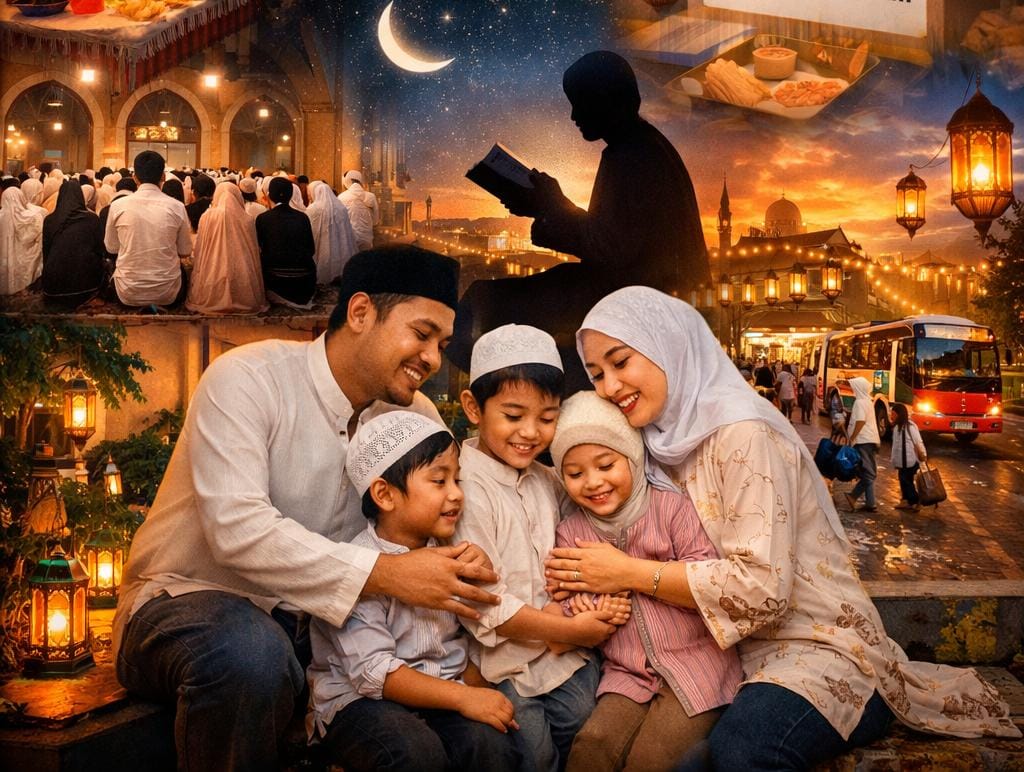
After sunset, neighborhoods across the archipelago come alive. The call to prayer signals the time to break the fast, and families gather around tables filled with dates, warm tea, and home-cooked meals. In many regions, traditional snacks and local specialties appear only during Ramadhan, turning iftar into both a spiritual and culinary reunion.
Mosques quickly fill for Maghrib and later for Tarawih prayers. Children walk in groups, some carrying small prayer mats, others simply enjoying the festive mood. Streets that are calm during the day become brighter at night, illuminated by mosque lights, food stalls, and conversations that stretch unhurriedly.
The Culture of Waiting for Iftar
Late afternoon before sunset is a special moment known as ngabuburit. People spend the time strolling through markets, reading the Qur’an, attending religious talks, or searching for takjil—light bites to start the fast.
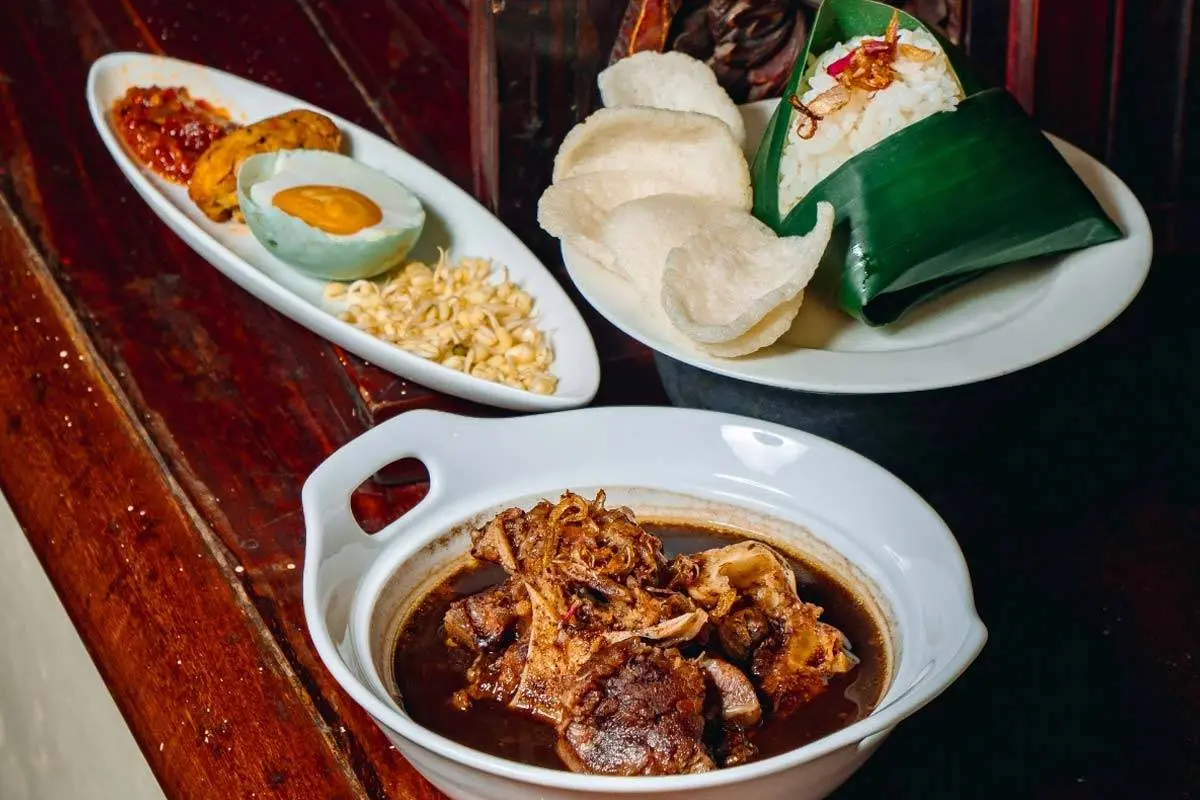
Vendors line the roads with colorful drinks, fried foods, sweets, and fruits. The tradition is not merely about buying food; it is about togetherness. Friends meet, families walk side by side, and strangers exchange smiles while counting the minutes until the adzan.
"This is the moment that I always been waiting the whole year. Simple but strolling from vendor to another and pick dozens variety of meal during ngabuburit is must for me," Nada, a local community of Malang said (11/2/2026).
Charity as a Way of Life
Ramadhan is also marked by an increased spirit of giving. Communities organize donations for those in need, mosques prepare free meals, and many people set aside part of their income for zakat and alms.
In offices and campuses, charity drives become common. Social organizations travel to remote areas, delivering food packages and support. The idea is simple yet powerful: fasting should strengthen empathy and social care.
A Slower Day, A Deeper Reflection
During daylight hours, life moves at a gentler pace. Restaurants may close or adjust their curtains out of respect. Workers continue their routines while conserving energy, aware that patience is part of the worship.
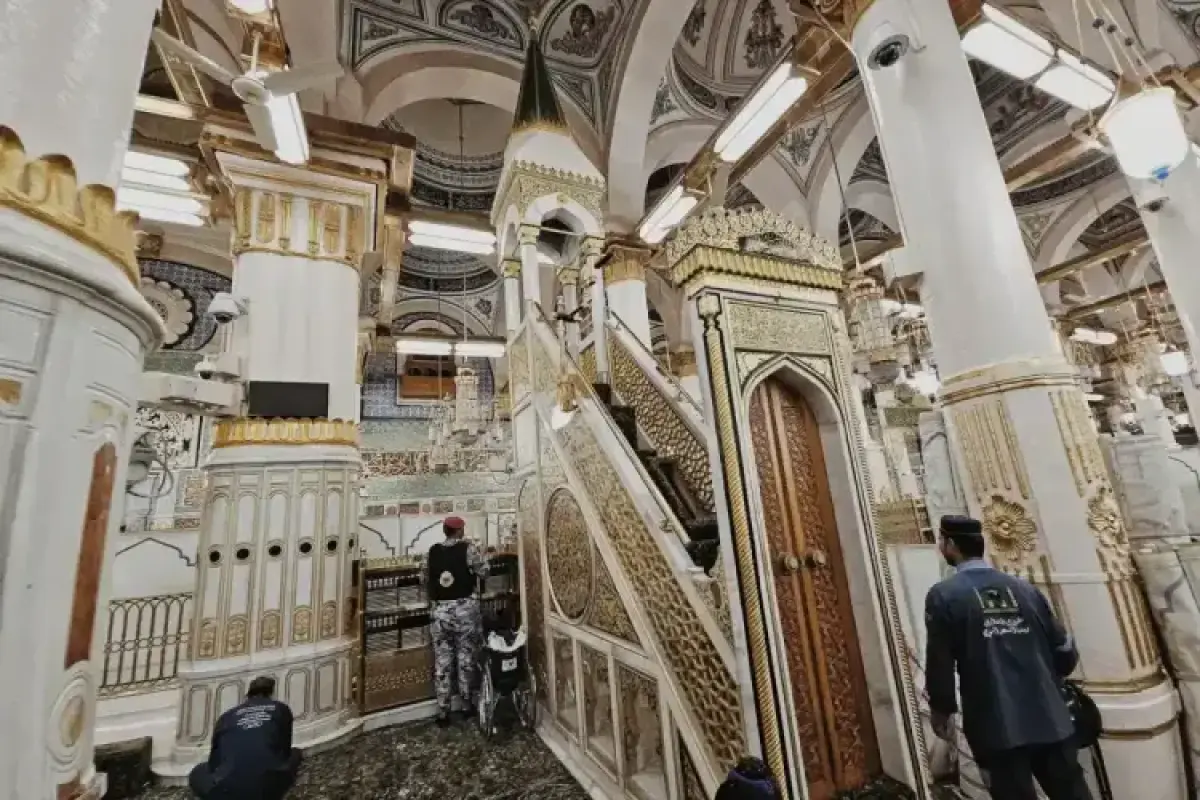
Ramadhan invites reflection. It encourages people to examine habits, repair relationships, and return to essentials—faith, gratitude, and self-control.
Towards the Joy of Eid
As the month progresses, anticipation for Eid al-Fitr grows. Shopping centers become crowded, transportation hubs fill with travelers preparing for mudik, and homes are cleaned in preparation for celebration.
Yet before the festivities arrive, Indonesians cherish the final nights of prayer, hoping to meet Laylat al-Qadr, the Night of Power, a moment believed to carry immense blessings.
Ramadhan in Indonesia ultimately becomes a living portrait of harmony between religion and culture. It is seen in shared meals, whispered prayers, and hands extended to help others. For thirty days, the nation breathes in a slower, kinder rhythm—one that many wish could last all year. (*)
Simak breaking news dan berita pilihan TIMES Indonesia langsung dari WhatsApp-mu! Klik 👉 Channel TIMES Indonesia. Pastikan WhatsApp kamu sudah terpasang.
Berita ini juga tayang di portal nasional
Baca versi lengkapnya di jaringan nasional kami.
