
Papajar in Cianjur, A Joyful Sundanese Tradition Before Ramadan
Discover the heartwarming Papajar tradition in Cianjur, where families gather, share traditional meals, and prepare spiritually for Ramadhan — read more to explore the meaning, history, and cultural beauty behind this cherished Sundanese celebration.
JAKARTA – As the holy month of Ramadhan approaches, residents of Cianjur once again revive a long-standing tradition known as Papajar. More than just a gathering, Papajar reflects the warmth, unity, and spiritual readiness of Sundanese communities in welcoming the fasting month.
Derived from the Sundanese phrase mapag pajar, meaning “to greet the dawn,” Papajar symbolizes the anticipation of the first dawn of Ramadhan. In Sundanese philosophy, dawn represents hope, renewal, and the beginning of a sacred journey.
Through Papajar, residents collectively express their joy before entering a month filled with worship, reflection, and self-discipline.
Strengthening Togetherness Before Fasting
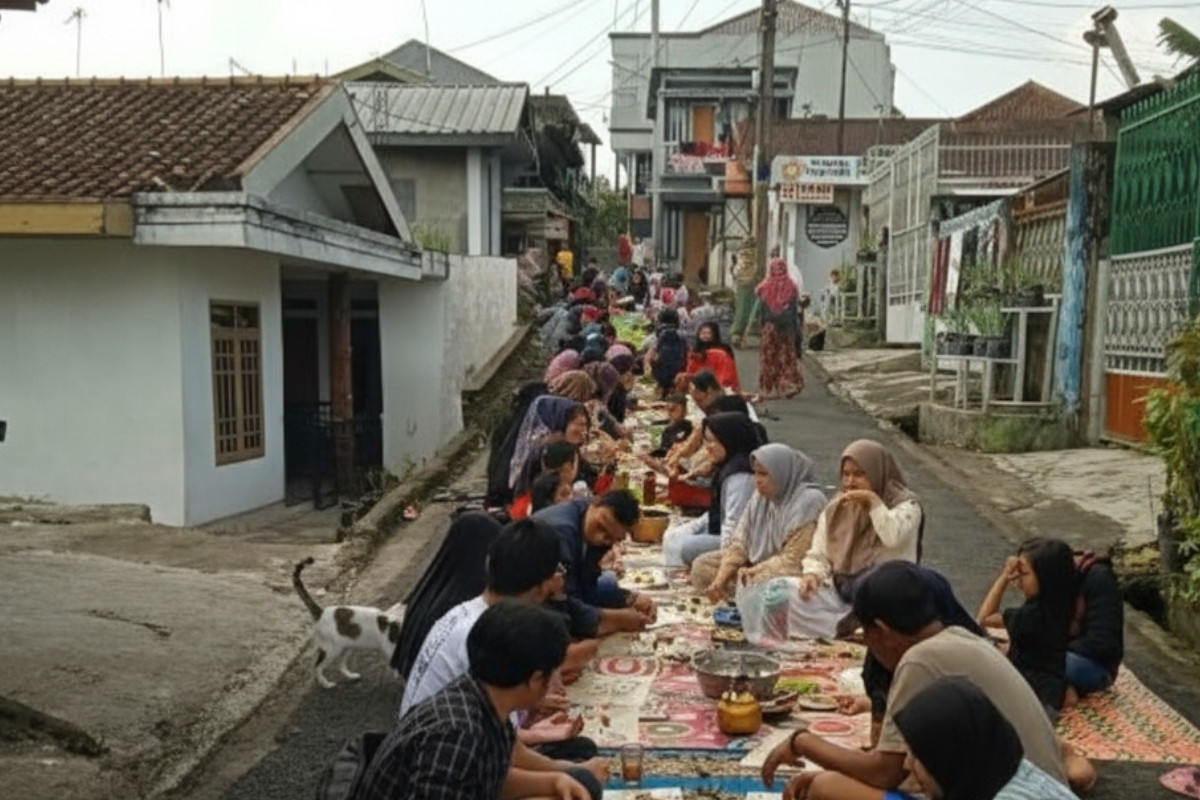
In practice, Papajar is usually held one or two weeks before Ramadhan. Families, relatives, and friends gather in open spaces, tourist destinations, rice fields, or village yards. They bring home-cooked dishes and enjoy meals together in a tradition locally known as botram — eating communally while sitting side by side on mats.
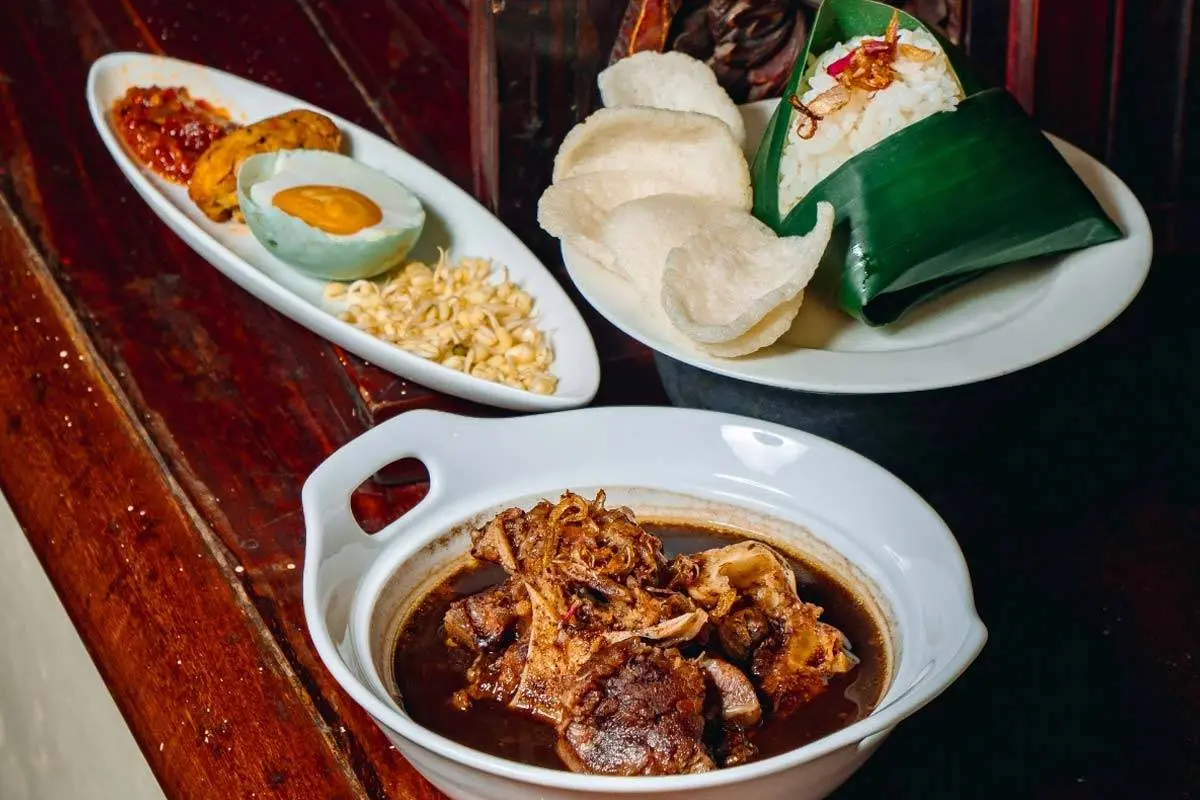
Traditional menus such as nasi liwet, grilled fish, fresh vegetables, sambal, and various homemade snacks are commonly served. The atmosphere is lively yet meaningful. Laughter blends with conversations about plans for Ramadhan — from preparing for tarawih prayers to organizing sahur and iftar meals.
For many residents, Papajar is not merely a picnic. It is a moment to reconnect. In the middle of busy routines, this tradition becomes a space to restore relationships, strengthen kinship, and rebuild harmony before entering the holy month.
From Religious Roots to Cultural Celebration
Historically, Papajar had strong religious nuances. In earlier times, villagers gathered at mosques while waiting for announcements regarding the start of Ramadhan. Religious leaders would deliver sermons, followed by prayers and simple shared meals.
Over time, the tradition evolved. While its spiritual essence remains, Papajar has also grown into a cultural expression of gratitude and joy. Some communities still combine the gathering with ziarah (visiting ancestral graves), seeking prayers and reflection before Ramadhan begins.
Local cultural observers see Papajar as a representation of Sundanese values: silih asah, silih asih, silih asuh — to teach one another, to love one another, and to care for one another. These values are embodied in the simple act of sharing food and time together.

Preserving Local Wisdom
In recent years, Papajar has also supported local tourism in Cianjur. Public parks, lakes, and natural attractions become lively as families choose scenic spots to celebrate. The increase in visitors brings positive economic impact for small traders and local businesses.
However, community leaders remind residents that the essence of Papajar lies not in festivity alone, but in intention. The true meaning of the tradition is to prepare the heart — to cleanse grudges, forgive mistakes, and enter Ramadhan with sincerity.
As Ramadhan draws near, Papajar stands as a gentle reminder that spiritual journeys are best begun together. In the warmth of shared meals and laughter, the people of Cianjur prove that tradition is not merely inherited — it is lived, cherished, and passed on to the next generation. (*)
Simak breaking news dan berita pilihan TIMES Indonesia langsung dari WhatsApp-mu! Klik 👉 Channel TIMES Indonesia. Pastikan WhatsApp kamu sudah terpasang.
Berita ini juga tayang di portal nasional
Baca versi lengkapnya di jaringan nasional kami.
